
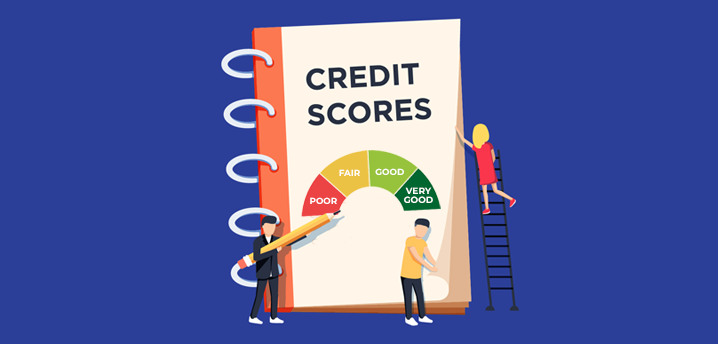
Confused by credit scores? Our simple guide explains what a credit score is, how it’s calculated, and provides actionable steps to build or repair your credit fast. Start improving your financial profile today.
Your credit score is more than just a number—it’s a financial passport that influences your ability to rent an apartment, buy a car, secure a mortgage, and even get a job. Yet, for many, it remains shrouded in mystery. Whether you’re starting from scratch or recovering from past mistakes, understanding how your credit score works is the first step toward building a stronger financial future. This guide demystifies your score and provides a clear, actionable path to building and repairing your credit.
What Is a Credit Score & Why Does It Matter?
Your credit score is a three-digit number, typically ranging from 300 to 850, that predicts how likely you are to repay borrowed money. Lenders, landlords, insurers, and even some employers use it to assess your financial reliability.
A higher score unlocks significant benefits:
- Lower Interest Rates: Saving tens of thousands on mortgages and auto loans.
- Better Approval Odds: For credit cards, loans, and rental applications.
- Lower Insurance Premiums: In many states, a good score can reduce your rates.
- Security Deposit Waivers: For utilities and cell phone plans.
The 5 Factors That Build Your Credit Score
Your FICO® Score—the most commonly used model—is calculated based on five key factors, each with a different weight:
- Payment History (35%): The most critical factor. This is a record of whether you’ve paid past credit accounts on time. Even one late payment can hurt your score.
- Amounts Owed / Credit Utilization (30%): This measures how much of your available credit you’re using. Experts recommend using less than 30% of your total credit limit, and ideally below 10%, for the best scores. High utilization suggests you may be overextended.
- Length of Credit History (15%): This considers the age of your oldest account, the age of your newest account, and the average age of all accounts. A longer history generally helps your score.
- Credit Mix (10%): Having a healthy variety of credit types—such as installment loans (car loan, mortgage) and revolving credit (credit cards)—can positively impact your score.
- New Credit / Hard Inquiries (10%): Each time you apply for credit, a “hard inquiry” is recorded. Too many applications in a short period can lower your score, as it may signal financial distress.
How to Build Credit From Scratch
If you have no credit history (a “thin file”), you need to establish it deliberately.
- Apply for a Secured Credit Card: You provide a cash deposit (e.g., $200) that becomes your credit limit. Use it for small, recurring purchases (like a streaming service) and pay the balance in full every month. After 6-12 months of on-time payments, many issuers will “graduate” you to an unsecured card and return your deposit.
- Become an Authorized User: Ask a family member with excellent credit and responsible habits to add you to their old, well-managed credit card account. Their positive history can be added to your report.
- Consider a Credit-Builder Loan: Offered by many credit unions and community banks, the lender holds the loan amount in a savings account while you make fixed monthly payments. Once paid off, you receive the money, and the positive payment history is reported to the credit bureaus.
How to Repair Damaged Credit
If your score has been damaged by late payments, collections, or high balances, repair is a marathon, not a sprint. Follow these steps:
- Get Your Reports & Dispute Errors: You are entitled to a free weekly credit report from all three bureaus (Equifax, Experian, TransUnion) at AnnualCreditReport.com. Review them meticulously for errors (wrong accounts, incorrect late payments) and dispute them directly with the bureau.
- Tackle High Credit Utilization: Pay down balances aggressively. If you can’t pay in full, aim to get each card below 30% utilization. A strategic short-term tactic is to request a credit limit increase on an existing card (without spending more), which instantly lowers your overall utilization.
- Address Derogatory Marks: For legitimate late payments or collections, the goal is to get them reported as “paid.” You can sometimes negotiate a “pay-for-delete” agreement with a collection agency, where they remove the collection from your report in exchange for payment (get this in writing first).
- Establish New, Positive Habits: The single most powerful repair tool is consistent, on-time payments. Set up autopay for at least the minimum payment. As negative items age (they fall off your report after 7 years) and are replaced by positive payment history, your score will gradually recover.
The Fast Track: Two Quick Score Boosters
- Utilization Hack: Since most cards report your statement balance to the bureaus, you can lower your reported utilization by paying down your balance before your statement closing date, not just the due date.
- Experian Boost®: This free service allows you to add positive utility, telecom, and streaming service payment history to your Experian credit file, which may instantly increase your FICO Score.
Your credit score is a reflection of your financial habits. By understanding the formula and taking consistent, responsible actions—paying on time, keeping balances low, and building history—you are in full control of its direction. Start today by checking your reports, then choose one action to build or repair. With patience and discipline, a strong credit score is an achievable goal that will open doors for years to come.






Leave a Reply