

Meta Description: Want to start investing but think you need thousands? Our beginner’s guide shows you exactly how to start investing in the stock market with just $100, using low-cost, simple strategies. Begin building wealth today.
The idea of investing in the stock market often comes with a myth: that you need a lot of money and expert knowledge to begin. The truth is, the most important step is simply starting, and thanks to modern technology, you can begin with as little as $100. This guide will demystify the process, provide a clear action plan, and show you how to turn your first $100 into the foundation of your investment journey, focusing on smart, low-cost strategies.
Why Start Investing with Just $100?
Starting small is a powerful strategy. It allows you to:
- Learn by Doing: You gain real-world experience with minimal financial risk.
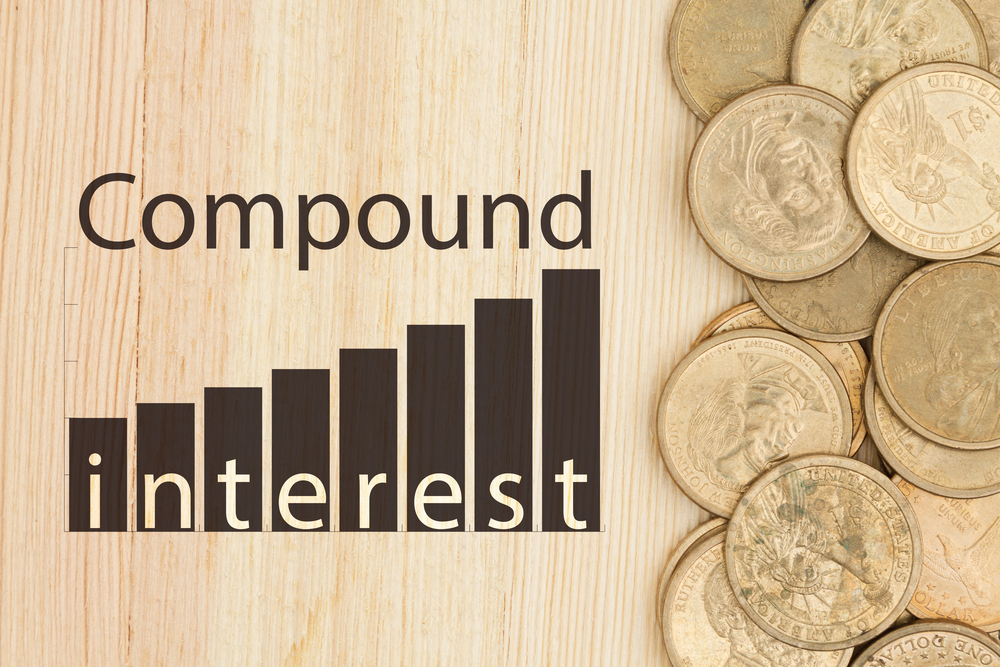
- Harness Compound Interest: Time in the market is your greatest ally. A small sum invested consistently over decades can grow significantly.
- Build the Habit: The discipline of regular investing is more valuable than any single large deposit.
Your goal with this first $100 is not to get rich quick, but to open the door, understand the process, and begin the lifelong habit of investing.
Before You Invest: The Essential Foundation
Before you buy your first stock, secure your financial base. This $100 should be money you are comfortable not touching for at least 5 years.
- Cover Your Essentials: Ensure you have a budget that covers your needs and a starter emergency fund (aim for $500-$1,000) to avoid selling investments in a panic for an unexpected bill.
- Manage High-Interest Debt: If you have credit card debt with an APR of 10% or more, paying it off is a guaranteed high-return “investment.” Prioritize this before stock market investing.
Your $100 Action Plan: 4 Simple & Smart Strategies
With your foundation set, here are four excellent, low-cost ways to deploy your first $100.
Strategy 1: Invest in Fractional Shares of an Index Fund ETF
This is the top recommendation for most beginners. Instead of buying individual company stocks, you buy a small piece of a fund that owns hundreds of companies. An S&P 500 Index ETF like VOO or SPY gives you instant ownership in 500 of America’s largest companies.
How to do it: Use a brokerage app like Fidelity, Charles Schwab, or M1 Finance that supports fractional shares (buying a piece of a share). You can invest your entire $100 into an ETF, even if one share costs $500. You’ll own a diversified portfolio with one transaction.
Strategy 2: Open a Robo-Advisor Account
Perfect for a true “set-it-and-forget-it” approach. Robo-advisors like Betterment or Wealthfront use algorithms to build and manage a diversified portfolio of ETFs for you based on a short questionnaire. They handle all the diversification and rebalancing automatically.
How to do it: Sign up, deposit your $100, answer questions about your goals and risk tolerance, and the robo-advisor will invest it into a tailored portfolio. Note: Some have small account fees or minimums, so check first.
Strategy 3: Buy Fractional Shares of a Single “Foundational” Company
If you want to own a specific company, choose one you understand, believe in for the long term, and that has a strong market position (think large “blue-chip” companies). The key is to use a fractional share platform.
How to do it: On platforms like Fidelity or Robinhood, search for a company like Microsoft (MSFT) or Apple (AAPL). Instead of buying a full share, select “buy by dollar amount” and invest your $100. Caution: This is less diversified than Strategy 1, so your next investments should aim to build diversification.
Strategy 4: Start a Dividend Reinvestment Plan (DRIP)
Some companies and brokers allow you to enroll in a DRIP, where any dividends paid are automatically used to buy more fractional shares of the stock, accelerating compound growth.
How to do it: Research companies that offer direct DRIP plans or use a brokerage that automates this feature (most major brokers do). This is a powerful long-term growth accelerator.
Step-by-Step: How to Place Your First $100 Investment
- Choose a Brokerage App: Select a user-friendly platform with no account minimums, fractional shares, and low fees (Fidelity, Charles Schwab, and Vanguard are excellent choices).
- Open & Fund Your Account: The process takes about 10 minutes online. Link your bank account and transfer your $100. This may take 1-3 business days to settle.
- Place Your Trade: Navigate to the trade function. For an ETF like VOO, enter the ticker, select “Buy in Dollars” instead of “Shares,” and type in
100.00. - Set Your Mindset: Once purchased, do not check the price daily. Market fluctuations are normal. Your focus should shift to planning your next $100 investment.
What to Do After Your First Investment
This $100 is your first step. True wealth is built through consistency.
- Automate Your Contributions: Set up a recurring transfer of $25 or $50 per month from your checking account to your brokerage. This practice, called dollar-cost averaging, removes emotion and builds your portfolio steadily.
- Keep Learning: Read books like The Little Book of Common Sense Investing by John Bogle. Understand that as a beginner, your greatest edge is patience and low costs, not stock-picking.
- Ignore the Noise: Avoid the temptation to follow “hot tips” or panic during market dips. A long-term, disciplined strategy always wins.
Starting your investment journey with $100 proves that the barrier to entry is now psychological, not financial. By choosing a simple, diversified, and low-cost path, you lay the groundwork for a lifetime of financial growth. Your first investment isn’t about the amount—it’s about the momentum. Take that step today, and let the powerful forces of time and compounding begin working for you.





Leave a Reply